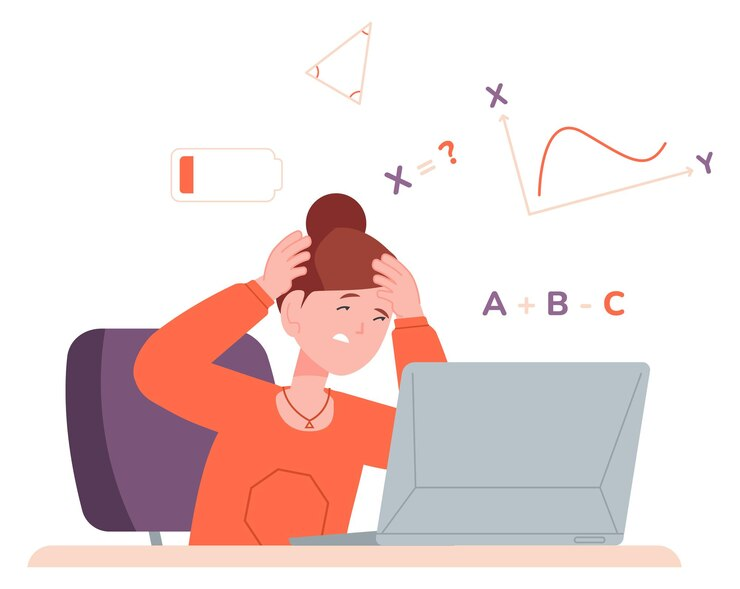
In this week’s class we discussed educational assessments. Educational assessment is the process teachers use to see what students know, can just do or have become a result of learning. Something that stuck out to me during this class was the zone of proximal development which is the inability to do something even with help, that is how I feel about math.
Educational assessments consist of three components: Domain (what should be learned), Observation (how do we gather evidence), Interpretation (what does the evidence mean).
In the “Power of feedback” article I was interested in the single-loop and double-loop learning. Single-loop learning happens when a student uses feedback to correct a problem or improve their work on a specific task. The student may change how they complete a task, but this does not mean it changes how the student thinks moving forward in future assignments. An example I can think of in my own education would be when I was given an answer key for practice tests after I took them, I would look at the answer key see where I went wrong think I understood where I went wrong but I would continue to make the same mistake because I was not actively retaining information, I was just looking at the answer key. Another example would be when I would just memorize information, I was not retaining or understand I was just simply memorizing. I would do this a lot in high school and although it worked then, it caught up to me in university.
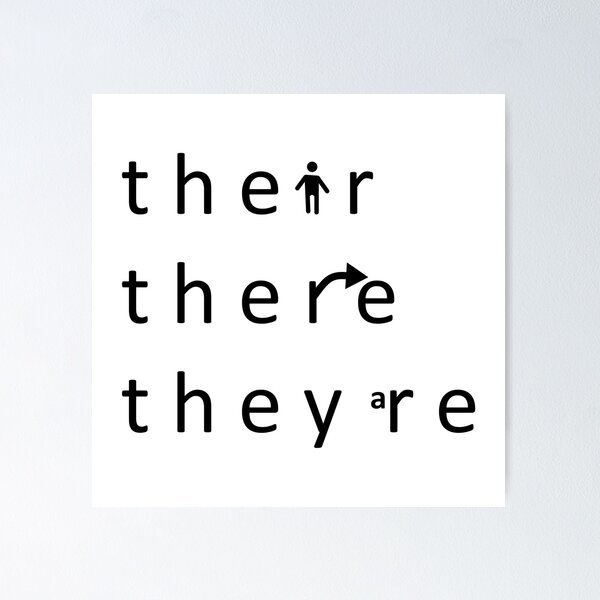
On the other hand, double loop learning goes beyond, students at this point meaningfully reflect and review their previous approaches towards a topic. This leads to an actual change in the way a student’s thinks and works. It is not about improving a singular assignment but how to improve all future assignments. An example in my education would when I was younger and my mom explained the differences between there, their and they’re, although this wasn’t an assignment it significantly changed the way I write grammatically and the lesson has stuck with me ever since.
I view single loop learning as surface level leaning and double loop leaning as deep learning. Double loop learning is done through reflection, feedback and interaction with others. At times it can be really difficult for students because they may feel as though they can’t grasp the topic or that it will be impossible but with consists of work and establishing good habits the work can be done.
References
Hattie, J., & Timperley, H. (2007). The power of feedback. Review of Educational Research, 77, 81–112.